Preventing Future Wildlife Intrusions After Professional Removal
To prevent future wildlife intrusions after professional removal, local service providers can install effective barriers and repairs to keep animals out permanently.
If you've recently had wildlife removed from your property, it's natural to want to prevent future intrusions and keep your space secure. Property owners in the area often find that addressing the initial animal problem is just the first step; implementing effective prevention measures is essential for long-term peace of mind. Understanding the practical steps involved-such as sealing entry points and modifying habitat attractants-can make a significant difference in avoiding repeat visits. Local contractors specializing in wildlife intrusion prevention are equipped to assess your property and recommend tailored solutions that help keep unwanted animals out for good.
Exploring the topic of preventing future wildlife intrusions after professional removal is a wise move for homeowners seeking to protect their property. Proper prevention not only minimizes the chances of animals returning but can also reduce potential damage and health concerns associated with recurring wildlife visits. Service providers in the area offer expertise in identifying vulnerabilities and installing barriers that deter animals effectively. Continuing to read can provide valuable insights into how these local professionals can help ensure your property remains wildlife-free in the future.
- Wildlife Entry Point Sealing - when property owners notice new wildlife activity after removal and need to block access points, local contractors can effectively seal potential entry spots.
- Exclusion Barrier Installation - if preventing future wildlife intrusions after professional removal is a priority, local pros can install barriers around roofs, vents, and chimneys.
- Structural Repairs and Reinforcements - after wildlife removal, structural weaknesses may need addressing to prevent re-entry, with local service providers offering targeted repairs.
- Venting and Chimney Caps - to deter wildlife from returning through vents or chimneys, local contractors can install protective caps and covers.
- Deterrent Device Setup - when ongoing prevention is desired, local pros can set up humane deterrent devices to discourage wildlife from attempting re-entry.
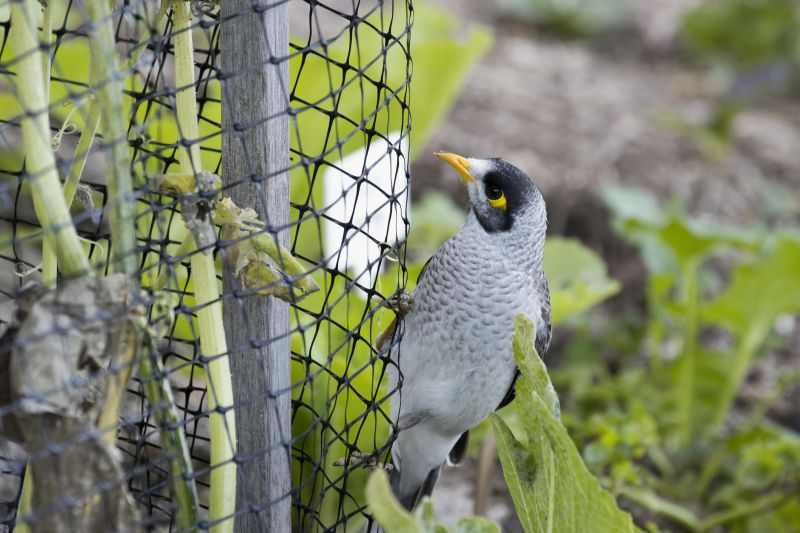
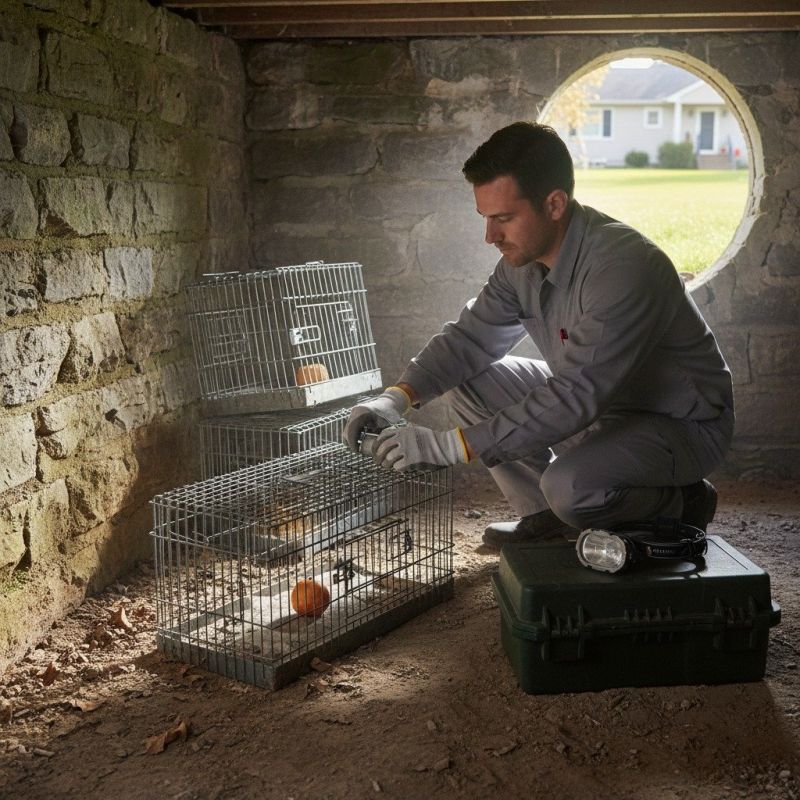
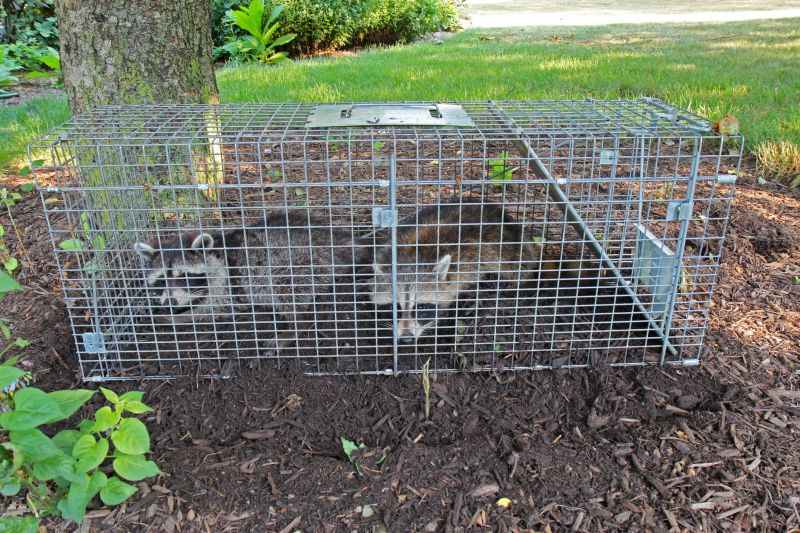
When people search for preventing future wildlife intrusions after professional removal, they are often looking for ways to ensure that animals do not return to their property after an initial removal. This concern typically arises when unwanted animals, such as raccoons, squirrels, bats, or birds, have already been removed but the problem persists due to entry points or vulnerabilities left behind. Homeowners may have experienced damage, noise, odors, or health concerns related to wildlife, prompting them to seek solutions that keep animals out permanently. The goal is to create a barrier that not only deters animals from returning but also protects the property from future invasions, reducing the likelihood of recurring issues.
These concerns are closely related to property maintenance, home improvement projects, and pest prevention plans. After a professional wildlife removal, property owners often consider sealing entry points, installing barriers, or modifying structures to prevent animals from re-entering. Problems such as damaged roof vents, gaps in siding, or unsealed chimneys are common issues that contribute to ongoing wildlife intrusions. Planning for prevention involves understanding how animals access properties and implementing targeted solutions to address these vulnerabilities. Many property owners also seek advice on ongoing monitoring or maintenance routines to ensure that wildlife stays out over the long term.
Properties that typically come up in discussions about preventing future wildlife intrusions include residential homes, especially those with attics, chimneys, or roof spaces. Commercial buildings, barns, sheds, and other outbuildings are also frequently affected, particularly if they have openings or structural weaknesses. Older properties tend to be more susceptible due to aging materials and less effective sealing, while newer buildings may still have gaps or design flaws that invite animals inside. Regardless of property type, the focus remains on identifying entry points and implementing effective deterrents to keep wildlife from returning after initial removal.
Local wildlife intrusion prevention service providers play a vital role in helping property owners implement effective solutions. These professionals assess the property to identify existing vulnerabilities that could allow animals to re-enter. They then recommend or perform targeted repairs, such as sealing gaps, installing exclusion devices, or reinforcing vulnerable areas. Working with local pros ensures that prevention measures are tailored to the specific types of wildlife common in the area and to the unique features of each property. Properly executed prevention strategies can significantly reduce the chances of future intrusions, providing peace of mind and protecting the property from ongoing wildlife-related issues.
Bird exclusion projects - local contractors specialize in installing bird barriers and netting to prevent future wildlife intrusions after removal efforts.
Attic sealing services - professionals focus on sealing entry points and gaps to keep wildlife from re-entering buildings post-removal.
Venting and chimney cap installation - local pros can install protective caps to block access points used by wildlife to re-enter structures.
Roof repair and reinforcement - experts repair and reinforce roof areas to eliminate vulnerabilities that could lead to future intrusions.
Gutter and soffit sealing - service providers seal these areas to prevent wildlife from exploiting openings to access attics and walls.
Exclusion fencing and barriers - local contractors install fencing solutions around properties to deter wildlife from returning after removal.
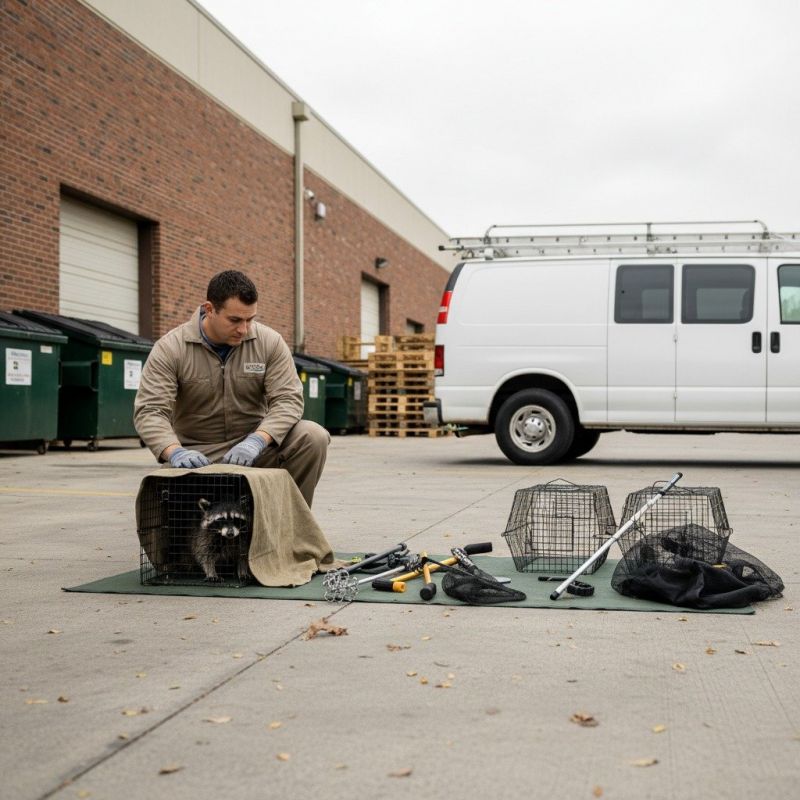
When evaluating service providers for wildlife intrusion prevention, it is important to consider their experience with similar projects. Homeowners should inquire about the types of wildlife issues they have handled and whether they have successfully completed preventing future intrusions in properties comparable to their own. A contractor's familiarity with the specific challenges posed by different types of wildlife and building structures can indicate their ability to deliver effective, long-lasting solutions. Clear communication about their approach and previous work helps ensure that homeowners understand what to expect and feel confident in the contractor’s capabilities.
Another key factor to consider is the clarity of written expectations provided by the service provider. Detailed proposals or work plans should outline the scope of work, specific exclusion methods, and any follow-up procedures. This transparency helps prevent misunderstandings and ensures that both parties are aligned on the goals of preventing future wildlife intrusions after professional removal. Homeowners should also seek service providers who can provide reputable references or examples of past projects, as these can offer valuable insights into the quality and reliability of their work.
Good communication is essential throughout the process of wildlife intrusion prevention. Homeowners should look for local contractors who are responsive and willing to answer questions thoroughly, explaining their methods and addressing any concerns. A contractor’s ability to listen and provide clear, written information about the recommended exclusion strategies can make the project smoother and more predictable. Ultimately, selecting a service provider with proven experience, transparent expectations, and open communication can help ensure that efforts to prevent future wildlife intrusions are effective and enduring.
Property owners often search for preventing future wildlife intrusions after professional removal when they are planning practical projects around their homes and businesses. Local pros provide Wildlife Intrusion Prevention services for everyday jobs and straightforward project options.
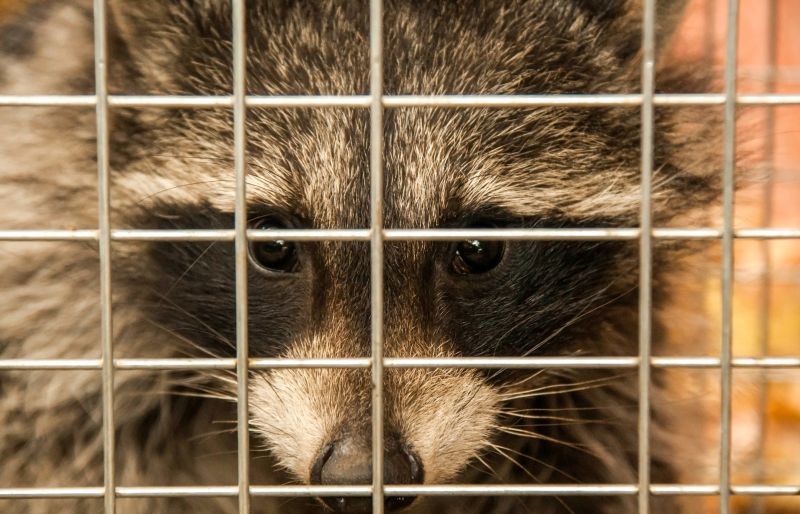
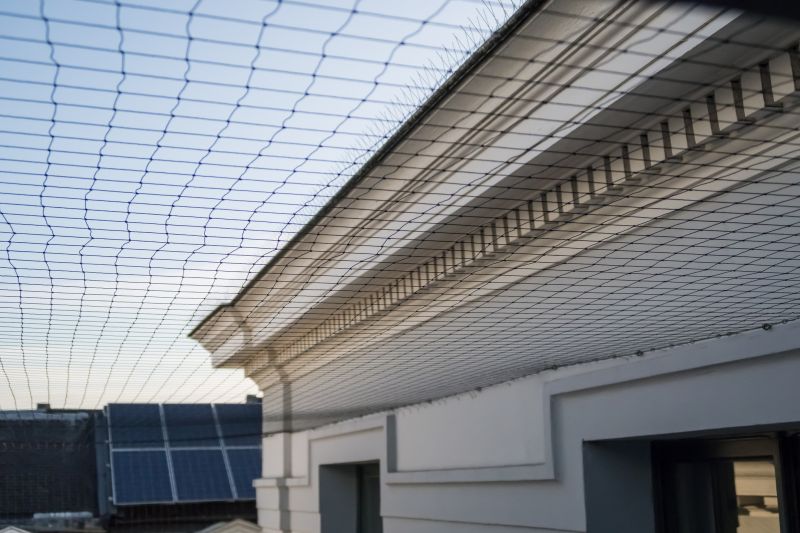
After wildlife removal has been completed, property owners often seek ways to prevent future wildlife intrusions and avoid repeat visits. Simple steps such as sealing entry points, installing barriers, and repairing damaged areas can significantly reduce the chances of animals returning. Local contractors experienced in wildlife prevention can assess the property for vulnerabilities and recommend effective solutions tailored to the specific types of wildlife common in the area.
Many property owners look into wildlife intrusion prevention services to ensure their homes and yards stay protected over the long term. Professional service providers can perform thorough inspections, identify potential access points, and implement exclusion methods that are both durable and discreet. Engaging with local experts helps establish a proactive approach to wildlife management, reducing the likelihood of future issues and providing peace of mind after an initial removal has taken place.
How can I prevent wildlife from returning after removal? Local contractors typically recommend sealing entry points, installing barriers, and performing habitat modifications to prevent future wildlife intrusions after professional removal.
What types of barriers are effective for wildlife intrusion prevention? Durable materials such as metal flashing, wire mesh, and specialized exclusion products are commonly used by local service providers to block wildlife access points.
Are habitat modifications necessary to avoid future wildlife issues? Yes, local pros often suggest removing attractants like food sources, debris, or dense vegetation around the property to reduce the likelihood of future intrusions.
How do local contractors ensure wildlife won't find new entry points? They conduct thorough inspections, identify potential vulnerabilities, and implement comprehensive sealing and exclusion measures to prevent new entry points.
What maintenance is needed to keep wildlife from returning? Regular inspections, resealing of vulnerable areas, and upkeep of barriers are recommended by local wildlife intrusion prevention service providers to maintain long-term protection.
Seal Entry Points - Identifying and sealing gaps, vents, and holes helps prevent wildlife from re-entering after removal, and local contractors can assist with effective repairs.
Install Wildlife-proof Barriers - Using mesh or other barriers around vents, chimneys, and eaves creates a physical block against future intrusions, with local pros providing proper installation.
Maintain Landscaping - Trimming trees and shrubs away from the building reduces easy access points for wildlife, and service providers can advise on proper yard maintenance practices.
Implement Deterrents - Installing motion-activated lights or noise devices can discourage animals from returning, and local contractors can recommend suitable deterrent solutions.
If you are thinking about preventing future wildlife intrusions after professional removal for a property, this guide is meant to help you understand this topic, the typical project types, and how different options might fit your plans.
When you are ready, you can use the quote form on this page to share a few details about your project. From there, local pros can review the basics and follow up with options that match what you have in mind.